

Get everything you need from a modern CDN — from effortless scale and built-in security to programmable control and full visibility.




Performance
Page 3 of 10

4 Tips for Developers for Using Fastly’s Sustainability Dashboard
Track the real-world emissions of your Fastly workloads. This blog shares practical tips on using the Sustainability dashboard for greener, faster code.

Fastly’s Pillars of Resilience: Building a More Robust Internet
Discover Fastly's Pillars of Resilience: unwavering availability, minimized latency, and disruption resistance for a robust internet experience with our global network.

Request Collapsing Demystified
Boost website performance with request collapsing! Learn how it improves efficiency, reduces origin load, and optimizes caching for a snappy user experience.
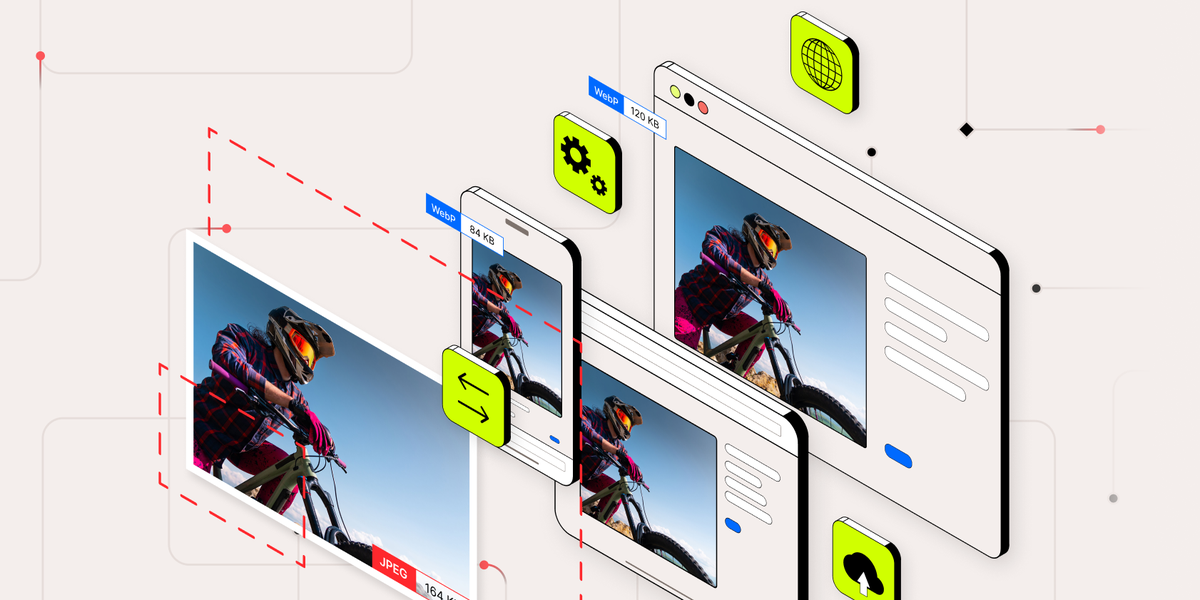
Trust at Scale with Fastly Image Optimizer and C2PA
Fastly Image Optimizer now supports C2PA, enabling verifiable content authenticity. Combat misinformation and build trust with secure image provenance at scale.

Fastest Sites Run on Fastly
Make your site 25%+ faster with Fastly’s programmable edge. See why the fastest media sites — from Vox.com to Business Insider — run on Fastly.

ETags: What they are, and how to use them
How to optimize your ETags to speed up your site and reduce calls to your origin without requiring significant code refactoring or content overhaul.
Unlock Faster Web Performance: The Data Behind Fastly's Edge Over Akamai
Discover why migrating from Akamai to Fastly boosts web performance. Our data shows 57% faster TTFB & 17% faster LCP, based on real-world CrUX data.

Taking Back Control: How Publishers Can Push Back on Unwanted AI Scraping
Take control of AI scraping. Learn how publishers can push back against unwanted data harvesting with Fastly's AI Bot Management & new monetization opportunities.

Over a decade later: The evolution of instant purge
Explore the decade-long evolution of Fastly's instant purge technology. Learn about our decentralized approach, challenges faced, and innovations in scalability.

Using cURL to Test Origin Server Responses
Curl, or cURL, is a utility that’s shipped by default on operating systems like MacOS and many Linux distributions that allows you to send an HTTP request to a URL and receive the result. In this post, we’ll walk you through how to use the tool to test an origin server’s response.

Building vs Buying a CDN: Choosing the Right Global Network Infrastructure
Should you build or buy a CDN? Learn the pros and cons of building vs. using CDN services for your global network infrastructure. Make the right choice for your business.

Empowering the Open Web: How Fastly Supports Organizations Like ToS;DR
Empowering the Open Web: Learn how Fastly supports ToS;DR, a non-profit that makes internet terms of service easy to understand and improves online transparency.

Supercharge DevOps with a Developer-Friendly CDN
Discover how a developer-friendly CDN can enhance DevOps workflows, improve performance, and deliver seamless user experiences with Fastly and Google Cloud.

AI Innovation and Sustainability: Key Takeaways from the AI Action Summit
Delve into the highlights of the AI Action Summit in Paris, where experts addressed pressing issues in AI, including ethics, regulation, and the sustainability of technology.

The lengthiest HTTP headers
Discover how large HTTP headers can impact your web page's loading speed. Learn about essential headers and strategies to optimize their size for better performance.

Profiling Fastly Compute Applications
Unlock superior web performance with Fastly Compute. Utilize our edge network and WebAssembly to build fast, secure applications tailored for your users.
Thanks to the internet’s on-call teams
Thank you for the essential role that on-call teams play in ensuring internet reliability and security, particularly during the holiday season. We appreciate your dedication.

How to Save Christmas for Beyoncé
This Christmas, Netflix is bringing the world a Beyoncé halftime show, promising unforgettable moments - but will this massive live event go off without a hitch?
Navigating the Challenges of Online Live Streaming
Join us as we delve into the realities of live event streaming, highlighting the lessons learned from disruptions and our commitment to delivering reliable viewer experiences.
What Fastly saw on election night
Learn how voter fatigue and alternative media are changing public engagement with politics and how that impacted election night in the U.S..